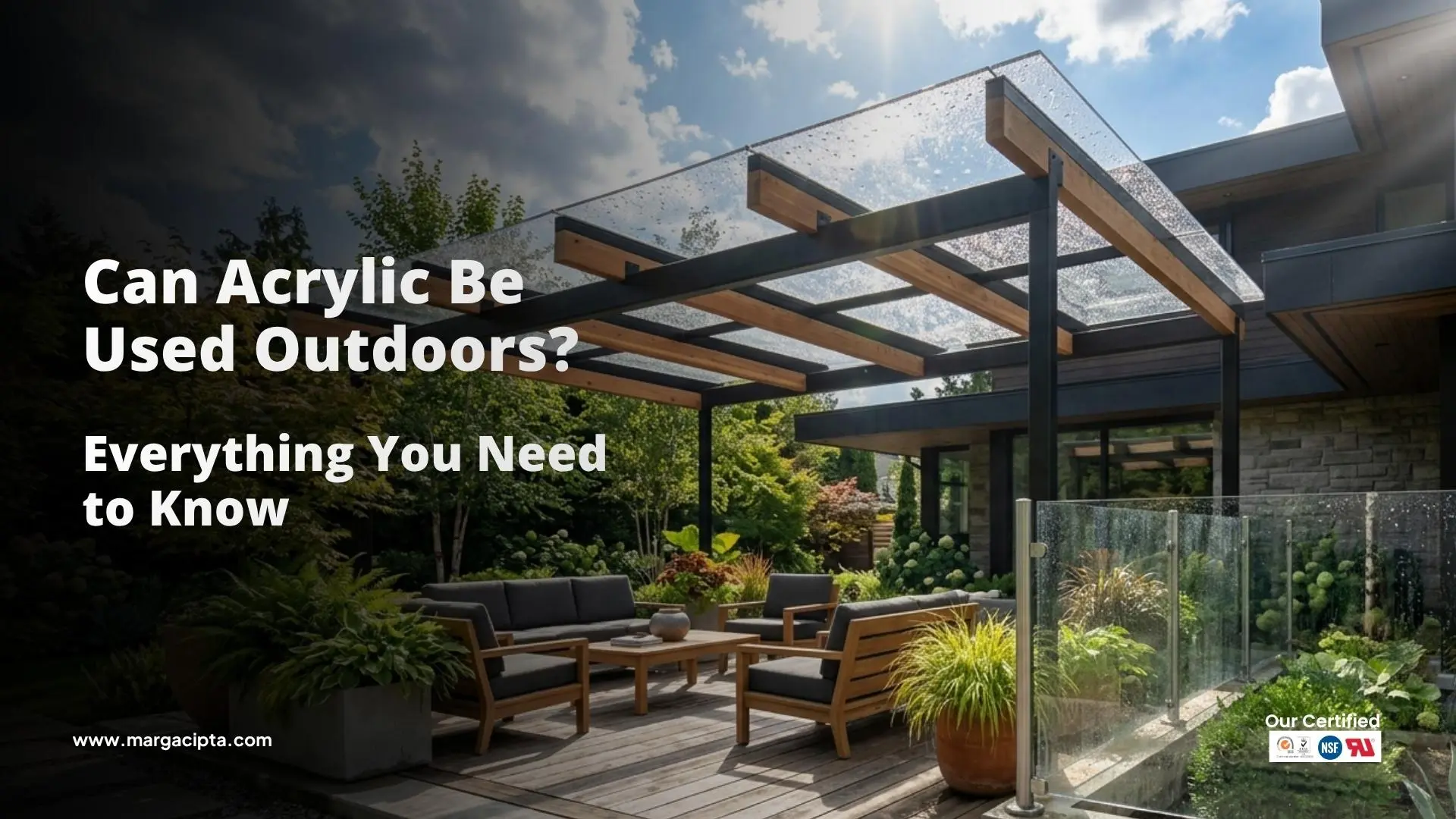
Can Acrylic Be Used Outdoors? Everything You Need to Know

Informational

Yes, acrylic can be used outdoors. In fact, acrylic is one of the most popular materials for outdoor signage, protective barriers, architectural features, and display applications due to its excellent weather resistance and optical clarity.

Unlike many plastics that degrade quickly when exposed to sunlight, high-quality acrylic sheets are designed to withstand outdoor conditions while maintaining their appearance for years.

If you're considering acrylic for an exterior project, understanding its outdoor performance can help you make the right material choice.

Why Acrylic Performs Well Outdoors

Acrylic is naturally resistant to many environmental factors that commonly affect plastic materials.

Some of its key outdoor advantages include:

  • Excellent UV resistance
  • Good weather durability
  • High optical clarity
  • Resistance to moisture
  • Long service life

Because of these characteristics, acrylic is frequently used in applications where both durability and appearance are important.

Read also: Acrylic vs Glass for Plaque: Which Material is Better?

How Does Acrylic Handle Sunlight?

One of the biggest concerns for outdoor materials is prolonged sun exposure.

High-quality acrylic sheets offer excellent UV resistance, helping them maintain their transparency and appearance over time. Unlike some plastics that yellow or become brittle after extended exposure to sunlight, acrylic generally retains its clarity much longer.

This makes acrylic a preferred choice for:

  • Outdoor signs
  • Storefront displays
  • Light boxes
  • Architectural glazing
  • Protective covers

Choosing premium acrylic sheets further improves long-term outdoor performance.

Is Acrylic Resistant to Rain and Humidity?

Yes. Acrylic is highly resistant to moisture and does not absorb water like some other materials.

As a result, acrylic can perform reliably in environments exposed to:

  • Rain
  • Humidity
  • Condensation
  • Coastal air

Its moisture resistance helps maintain dimensional stability and appearance even in changing weather conditions.

Common Outdoor Applications of Acrylic

Because of its combination of durability and aesthetics, acrylic is used in various outdoor projects.

Popular applications include:

1. Outdoor Signage

Acrylic provides excellent visibility and supports printing, engraving, and illuminated sign systems.

2. Protective Barriers

Transparent acrylic panels are commonly used for protection while maintaining visibility.

3. Architectural Features

Acrylic can be incorporated into canopies, decorative panels, and modern building elements.

4. Outdoor Displays

Retailers and event organizers often use acrylic for weather-resistant display systems.

Factors That Affect Outdoor Lifespan

Although acrylic performs well outdoors, several factors influence how long it lasts.

These include:

  • Material quality
  • UV exposure intensity
  • Installation method
  • Maintenance practices
  • Environmental conditions

Higher-quality acrylic sheets generally provide better long-term durability and appearance retention.

How to Maximize Outdoor Performance

To help acrylic last longer outdoors:

  • Use high-quality UV-resistant acrylic sheets
  • Clean surfaces using acrylic-safe cleaners
  • Avoid harsh chemical exposure
  • Ensure proper installation and support
  • Inspect periodically for maintenance

These simple practices can significantly extend the lifespan of outdoor acrylic applications.

Read also: Best Acrylic Thickness for Plaque: Complete Guide for Durable Results

Why Material Quality Matters

Not all acrylic sheets offer the same weather resistance.

Premium acrylic sheets typically provide:

  • Better UV stability
  • Improved optical clarity
  • More consistent performance
  • Greater durability over time

Marga Cipta supplies high-quality acrylic sheets suitable for signage, architectural projects, displays, and other outdoor applications.

Conclusion

So, can acrylic be used outdoors? The answer is yes.

With excellent UV resistance, moisture resistance, and long-term durability, acrylic is a reliable material for many exterior applications.

By selecting high-quality acrylic sheets and following proper maintenance practices, businesses and fabricators can achieve attractive and durable outdoor results.

Ready to explore our cast acrylic options? At Margacipta Wirasentosa, we offer high-quality clear cast acrylic sheets from 100% virgin MMA in various thicknesses and custom sizes to fit your needs.

Reach out to our Instagram or download our Product Catalog for more information.


News Release

Acrylic Cleaner Guide: Safe Liquids to Clean Acrylic Without Damage

The best acrylic cleaner is a mild, non-abrasive liquid that cleans the surface without causing scratches, cloudiness, or chemical damage.

Using the wrong cleaner can permanently affect the appearance of acrylic sheets, especially clear acrylic surfaces.

To maintain clarity and durability, it is important to use safe cleaning solutions specifically suited for acrylic materials.

Why Acrylic Requires Special Cleaning

Acrylic sheets are durable and visually appealing, but their surface is more sensitive than glass. Using harsh chemicals or rough cleaning tools may cause:

  • Fine scratches
  • Cloudy appearance
  • Surface damage
  • Reduced clarity over time

Proper cleaning helps preserve the smooth finish and extends the lifespan of the material.

Read also: Why Cast Acrylic Is Better Than Glass: Benefits You Should Know

Best Liquids to Clean Acrylic

1. Mild Soap and Water

A mixture of mild liquid soap and clean water is one of the safest options for acrylic cleaning.

Benefits:

  • Gentle on the surface
  • Easy to use
  • Suitable for regular maintenance

Use a soft microfiber cloth to wipe the acrylic gently.

2. Specialized Acrylic Cleaner

Acrylic-specific cleaners are designed to remove dust, fingerprints, and dirt without damaging the material.

These cleaners help:

  • Reduce static buildup
  • Maintain clarity
  • Minimize streaks

They are recommended for displays, signage, and premium acrylic applications

3. Distilled Water

For light dust and minor cleaning, distilled water can be used safely. It helps prevent mineral spots and streaks that may occur with regular tap water.

Cleaning Tools to Use

When cleaning acrylic, always use:

  • Soft microfiber cloths
  • Non-abrasive wipes
  • Gentle wiping motions

Avoid:

  • Paper towels
  • Rough fabrics
  • Scrubbing pads

These materials can create fine scratches on the surface.

Liquids to Avoid

Certain chemicals should never be used on acrylic sheets.

Avoid:

  • Ammonia-based cleaners
  • Alcohol-based liquids
  • Glass cleaners
  • Strong solvents

These substances can cause acrylic to become cloudy, brittle, or cracked over time.

Proper Cleaning Technique

For best results:

  1. Remove loose dust first
  2. Apply cleaner gently
  3. Wipe in straight motions
  4. Dry using a clean microfiber cloth

Avoid circular scrubbing, as it may create visible swirl marks.

Read also: What Is Cast Acrylic Used For? A Closer Look

Why Acrylic Quality Also Matters

High-quality acrylic sheets generally offer:

  • Better surface consistency
  • Improved resistance to minor scratches
  • Longer-lasting clarity

Using premium acrylic materials helps maintain appearance even with frequent cleaning.

Marga Cipta supplies high-quality acrylic sheets suitable for displays, signage, fabrication, and decorative applications.

Conclusion

Choosing the right acrylic cleaner is essential to maintaining the clarity and durability of acrylic sheets.

Safe cleaning liquids such as mild soap solutions and specialized acrylic cleaners help prevent scratches and damage. Combined with proper cleaning techniques and high-quality materials, acrylic surfaces can remain clear and visually appealing for a long time.

Ready to explore our cast acrylic options? At Margacipta Wirasentosa, we offer high-quality clear cast acrylic sheets from 100% virgin MMA in various thicknesses and custom sizes to fit your needs.

Reach out to our Instagram or download our Product Catalog for more information.
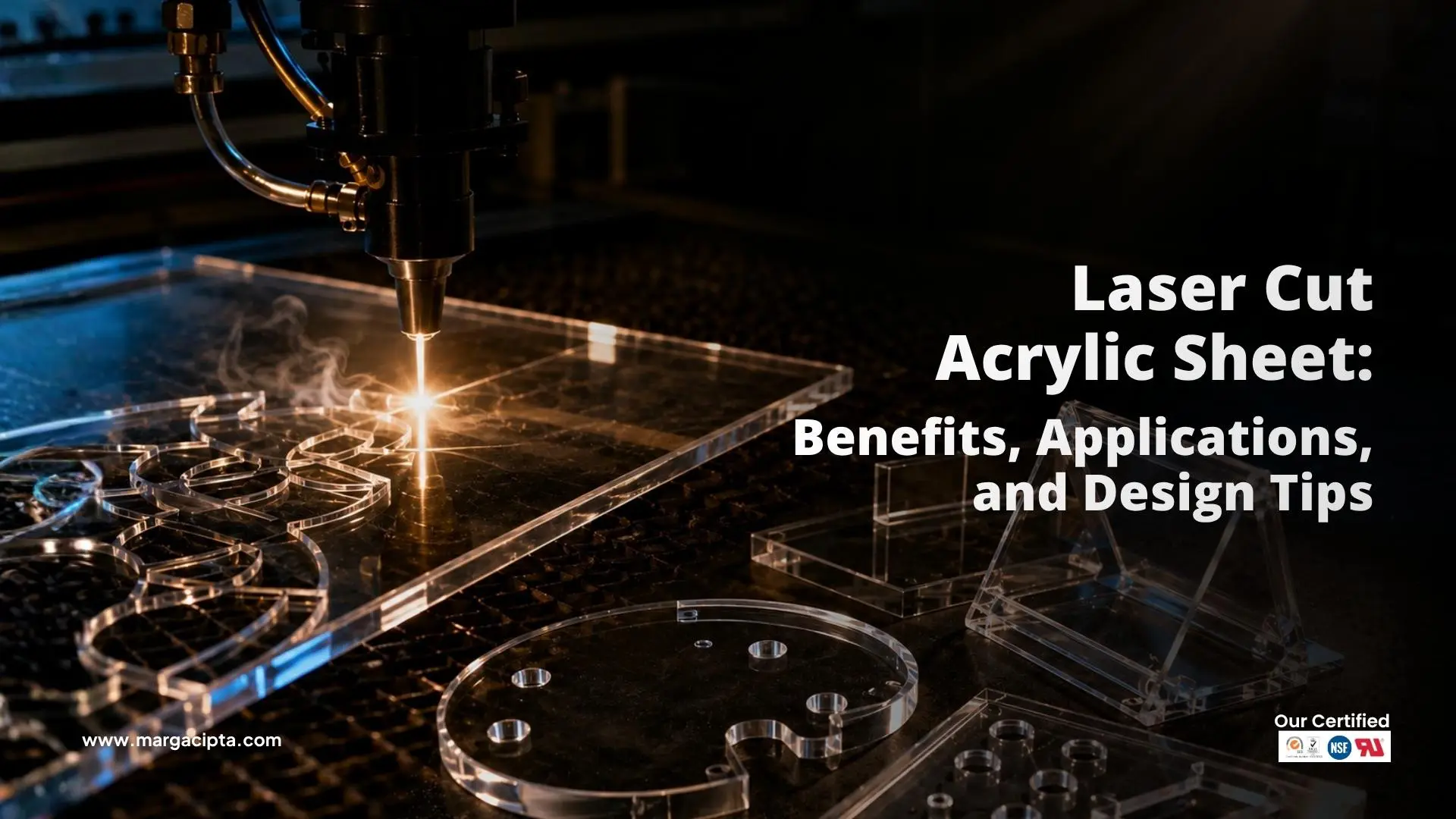
100% Virgin MMA: The Key to High-Quality Acrylic Sheets

When it comes to producing premium acrylic sheets, the choice of raw materials makes all the difference. The highest-quality acrylic is manufactured using 100% virgin MMA (Methyl Methacrylate)

Unlike recycled or blended materials, virgin MMA guarantees outstanding clarity, strength, and long-term durability. 

This is why industries that demand precision and consistency, such as signage, architecture, medical, and food-related sectors, use acrylic made with virgin MMA.

What is Virgin MMA in Acrylic?

Methyl Methacrylate, or MMA, is the primary raw ingredient used in acrylic sheet production. When a sheet is labeled 100% virgin MMA, it means the acrylic is made from pure, first-use material with no recycled additives. 

This ensures that the end product is free from impurities, bubbles, or inconsistencies that could affect appearance and performance. By contrast, recycled or mixed-content acrylic often suffers from discoloration, reduced clarity, and shorter lifespan. 

For applications where quality is non-negotiable, virgin MMA remains the industry’s preferred standard.

Read also: What Is Cast Acrylic Used For? A Closer Look

Advantages of 100% Virgin MMA in Acrylic Sheets

1. Exceptional Clarity

One of the most visible advantages of virgin MMA acrylic is its crystal-clear transparency. With excellent light transmission up to 92%, these sheets rival the clarity of glass while being lighter and safer. 

This makes acrylic ideal for signage, displays, and architectural features where visual impact matters.

2. Stronger and More Durable

Acrylic made from recycled content can become brittle over time. 

In contrast, 100% virgin MMA produces sheets with superior impact strength and durability. They are less likely to crack, making them suitable for heavy-duty applications such as construction panels, protective barriers, and furniture.

3. Consistent Quality

Virgin MMA eliminates impurities that often cause uneven color or thickness. As a result, every sheet maintains uniform optical and mechanical properties

This consistency is critical for industries that require reliable materials, such as medical equipment manufacturing and precision engineering.

4. Better Weather and UV Resistance

Outdoor projects demand materials that can withstand sunlight, rain, and temperature changes.

Virgin MMA-based acrylic is resistant to yellowing, warping, and degradation, making it perfect for outdoor signage, skylights, and architectural.

5. Safe for Sensitive Applications

Because of its purity, virgin MMA acrylic is safer for environments where hygiene is a priority.

Certified sheets can be used in food displays, medical devices, and cleanroom facilities without risk of contamination. Some variants are even NSF-certified, ensuring compliance with international safety standards.

Read also: Why Cast Acrylic Is Better Than Glass: Benefits You Should Know

Applications of Virgin MMA Acrylic Sheets

The versatility of 100% virgin MMA acrylic makes it popular across industries:

  • Signage and Displays: Clear surfaces enhance print and lighting, delivering vibrant visuals.
  • Construction and Architecture: Used in windows, partitions, skylights, and decorative panels due to its durability.
  • Food Industry: NSF-certified acrylic ensures safety for food contact, ideal for display cases and hygienic covers.
  • Medical and Laboratory Equipment: Trusted for its purity and reliability in sensitive environments.
  • Furniture and Interior Design: Offers both aesthetics and functionality with long-lasting strength.

Choosing acrylic sheets made from 100% virgin MMA is an investment in quality, safety, and longevity. With superior clarity, strength, and resistance to outdoor conditions, virgin MMA ensures that acrylic sheets perform at the highest standard. 

Whether you are in signage, construction, food, or medical industries, selecting virgin MMA acrylic helps you achieve the best results.

PT Margacipta Wirasentosa produces high-quality acrylic using 100% virgin MMA, delivering consistent clarity, strength, and NSF-certified options (clear and white opal). Contact us to info@margacipta.com to get the right acrylic solution for your business.

Acrylic vs Polycarbonate: Which One Should You Use?

When choosing a plastic sheet for your project, two materials often come to mind: acrylic and polycarbonate. While both are widely used for signage, protective panels, and displays, the decision between them depends on what matters most: strength, clarity, or cost.

In this article, we compare acrylic and polycarbonate across key aspects and explain why acrylic may be the better solution for most everyday applications.

Strength: Durable, But Do You Need Extreme Impact Resistance?

Polycarbonate is often praised for its extreme impact resistance—up to 250 times stronger than glass. It’s frequently used in bulletproof windows, riot shields, and industrial machinery guards. If you're designing for high-risk environments with potential heavy impact, polycarbonate might make sense.

But here’s the reality: most applications don't need that level of impact resistance.

Acrylic, though not as tough as polycarbonate, is still up to 10 times stronger than glass. For general uses like signage, display cases, skylights, or protective barriers, acrylic offers more than enough durability without the extra cost.

Read also: Benefits of Using Clear Cast Acrylic Sheet

Clarity: Acrylic Offers Superior Visual Appeal

When it comes to optical clarity, acrylic takes the lead. Acrylic sheets provide up to 92% light transmission, giving them a crystal-clear, glass-like appearance. They’re less likely to yellow over time and are known for maintaining their clarity in outdoor and indoor environments.

Polycarbonate, on the other hand, may appear slightly duller and can develop a yellowish tint after prolonged exposure to UV light—unless treated with an extra coating.

If visual presentation matters, especially in retail, architectural, or decorative use, acrylic is the smarter choice.

Cost: Acrylic is More Budget-Friendly

From a pricing perspective, acrylic is generally more affordable than polycarbonate.

For businesses or projects that need large-scale installations—like signage, partitions, or decorative panels—acrylic provides an ideal balance of performance and price.

Polycarbonate’s high cost only makes sense when extreme toughness is necessary. For most users, choosing acrylic means getting a high-quality material without overspending.

Ease of Fabrication and Maintenance

Another advantage of acrylic is how easy it is to cut, drill, polish, and thermoform. You’ll get cleaner cuts and smoother edges, making it perfect for projects that require precision or aesthetic finishes.

Polycarbonate is tougher to work with and prone to scratches without special care. Acrylic is also easier to clean and maintain, requiring only mild soap and water.

Read also: Why Cast Acrylic Is Better Than Glass: Benefits You Should Know

When Should You Choose Acrylic?

Unless you’re building for high-impact or industrial-grade applications, acrylic is the practical, beautiful, and cost-effective option. It's the go-to choice for:

  • Retail displays and signage

  • Home and office decor

  • Windows and skylights

  • Sneeze guards and partitions

  • Lighting covers and illuminated signs

Both acrylic and polycarbonate have their place in the market. But if your project prioritizes clarity, affordability, and ease of use, then acrylic is clearly the winner.

It offers excellent strength, beautiful transparency, and lasting value—perfect for a wide range of uses without breaking the budget.

Margacipta Wirasentosa provide high-quality cast acrylic sheets that are reliable, customizable, and ready to elevate your next project.

What Acrylic to Use for Cake Topper: A Complete Material Guide

If you are planning to create cake toppers, one of the most common questions is: what acrylic to use for cake topper projects? Choosing the right type of acrylic is essential to ensure durability, clean cuts, and a professional finish.

With various options available, understanding the basics of acrylic sheets will help you make the right decision for your needs.

Understanding Acrylic Types

There are two main types of acrylic sheets: cast acrylic and extruded acrylic.

Cast acrylic is generally preferred for cake toppers because it offers better optical clarity and superior engraving results. It also responds well to laser cutting, producing smooth and polished edges.

Extruded acrylic, while more affordable, is softer and may not deliver the same level of detail when engraved or cut. However, it can still be used for simpler designs or cost-sensitive projects.

Read also: Best Acrylic Sheet for Cake Topper: Thickness, Finish & Tips

1. Choosing the Right Thickness

Thickness is another important factor when deciding what acrylic to use.

For most cake topper applications, a thickness of 2 mm to 3 mm is recommended. This range provides enough strength to hold its shape while still being easy to cut and handle.

If your design is larger or more complex, opting for 3 mm acrylic can provide additional stability. Thinner sheets may bend, while thicker ones can be harder to work with.

2. Selecting the Right Finish

The finish of the acrylic sheet will influence the final look of your cake topper.

Clear acrylic is the most versatile option, offering a modern and elegant appearance. It is ideal for weddings, corporate events, and minimalist designs.

Colored acrylic sheets are perfect for creating bold and eye-catching toppers. Popular choices include black, white, gold, and pastel shades.

Frosted acrylic is another option for achieving a soft, diffused look, while mirrored acrylic can add a luxurious touch.

3. Compatibility with Fabrication Methods

When deciding what acrylic to use for cake topper production, it is important to consider your fabrication method.

Laser cutting is the most commonly used technique, and high-quality acrylic sheets will ensure precise cuts and smooth edges. Acrylic also works well with UV printing and engraving, allowing for customized designs and branding.

Choosing the right material ensures fewer defects and better overall results during production.

Read also: Acrylic Sheet for Display Stand: Best Thickness and Type to Use

Why Material Quality Matters

Using high-quality acrylic sheets is key to achieving consistent and professional outcomes. Low-quality materials may have uneven thickness, poor clarity, or be prone to cracking during cutting.

For businesses, investing in premium acrylic sheets helps maintain product quality and reduces waste during production.

Working with a trusted supplier ensures that you get reliable materials that meet your production standards.

Conclusion

Understanding what acrylic to use for cake topper projects comes down to selecting the right type, thickness, and finish. Cast acrylic with a thickness of 2 mm to 3 mm is generally the best choice for most applications.

By choosing high-quality acrylic sheets and using proper fabrication techniques, you can create cake toppers that are not only durable but also visually appealing and professional.

Still unsure what acrylic to use for your cake topper? Marga Cipta offers a wide range of high-quality acrylic sheets in various thicknesses and finishes to suit your project requirements.

Contact us at info@margacipta.com or our Instagram to order and get the best material for your production needs.